Introduction: Don’t Panic – This Is Normal
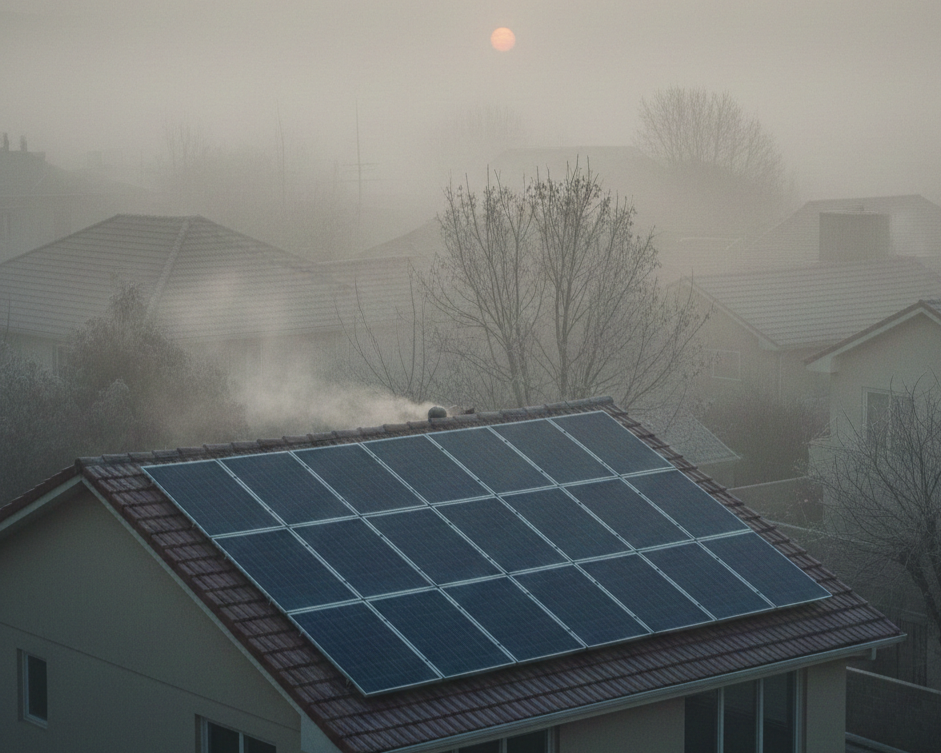
January 2026 has brought heavy fog and smog across many Pakistani cities like Lahore, Peshawar, Gujranwala, Faisalabad, and surrounding areas. As a result, many solar owners are worried.
A common question I hear daily is: Does Solar Work in Fog efficiently?
Many homeowners ask: “I have a 5kW solar system, but it’s only producing 4–6 units. Is something wrong?”
The short answer is no, nothing is wrong. This drop in Solar production in fog is completely normal. Let’s understand why this happens and what you can do to improve performance.
The Science: Solar Panels Need Light, Not Heat
A very common myth is that solar panels need heat to work. In reality, solar panels work on sunlight (light intensity), not temperature.
During winter fog and smog, the sun is still there, but its light becomes weak and scattered before reaching your panels. Thick fog can reduce sunlight intensity drastically. As a result, your system produces less power even though everything is technically fine.
In heavy fog conditions, a 50% to 70% drop in production is normal. For example, a 5kW system that normally produces 18–22 units in summer may only generate 5–8 units on dense fog days.
Fog vs Smog: Which Is Worse for Solar?
Fog
Fog is mostly made of water droplets suspended in the air. It reduces sunlight temporarily, especially in early morning and late evening. Once fog clears, production improves slightly.
Smog (More Dangerous for Solar)
Smog is a mix of dust, smoke, vehicle emissions, and industrial pollution. It doesn’t just block sunlight in the air — it also settles on your solar panels.
Over time, smog creates a thin dirty layer on panels that works like mud. This can reduce production even on sunny winter days.
Critical Maintenance Tip: Cleaning Is MOST Important in Winter
In winter, something very harmful happens silently. Morning dew (shabnam) mixes with dust and pollution. When the sun rises, this mixture dries and forms a thin muddy layer on your solar panels.
This layer blocks sunlight and can reduce output by another 10–20%, even if the fog is light.
Winter cleaning is more important than summer cleaning.
If possible, clean panels every 10–15 days during foggy and smoggy months using plain water and a soft cloth or sponge.
Tilt Angle Strategy: Capture the Low Winter Sun
In winter, the sun stays lower in the sky compared to summer. Fixed solar structures installed at summer-optimized angles lose some performance, which directly affects Solar efficiency in winter Pakistan.
If your structure is adjustable, slightly increase the tilt angle to face the sun more directly. Even a small adjustment can improve morning and afternoon production during winter months.
Load Management: Use Power Smartly on Foggy Days
On foggy days, solar generation is weak, but household demand usually increases due to heaters and warm appliances.
Try to avoid running heavy loads during peak fog hours, especially in the morning.
Winter Solar Tips (Recommended)
- Avoid electric heaters, irons, and kettles during foggy mornings
- Run washing machines and motors in early afternoon if sunlight improves
- Shift heavy usage to grid power when solar output is very low
- Monitor daily units instead of instant power to understand real performance
FAQs: Does Solar Work in Fog? & Other Concerns
Is my inverter damaged?
No. If your inverter shows reduced production but no error codes, it is working perfectly fine. The issue is sunlight availability, not equipment failure.
Should I turn off my solar system during fog?
Absolutely not. Even weak sunlight helps reduce grid consumption. Modern inverters are designed to operate safely in low-light conditions.
Will fog damage my solar panels?
No. Fog does not damage panels. However, dirty panels combined with smog can cause long-term efficiency loss if cleaning is ignored.
Final Words from a Solar Engineer
Fog and smog are temporary seasonal challenges in Pakistan, especially in winter. A drop in production does not mean your investment is wasted or faulty. With proper cleaning, smart load management, and realistic expectations, your solar system will continue to deliver savings even in winter.
Once February and March arrive, you’ll see production automatically rise again — without changing anything.
If you found this guide helpful, keep following Solar Hub Official for honest, practical solar advice tailored for Pakistan.
3 thoughts on “Does Solar Work in Fog? Truth About Winter Solar Production in Pakistan (2026)”