
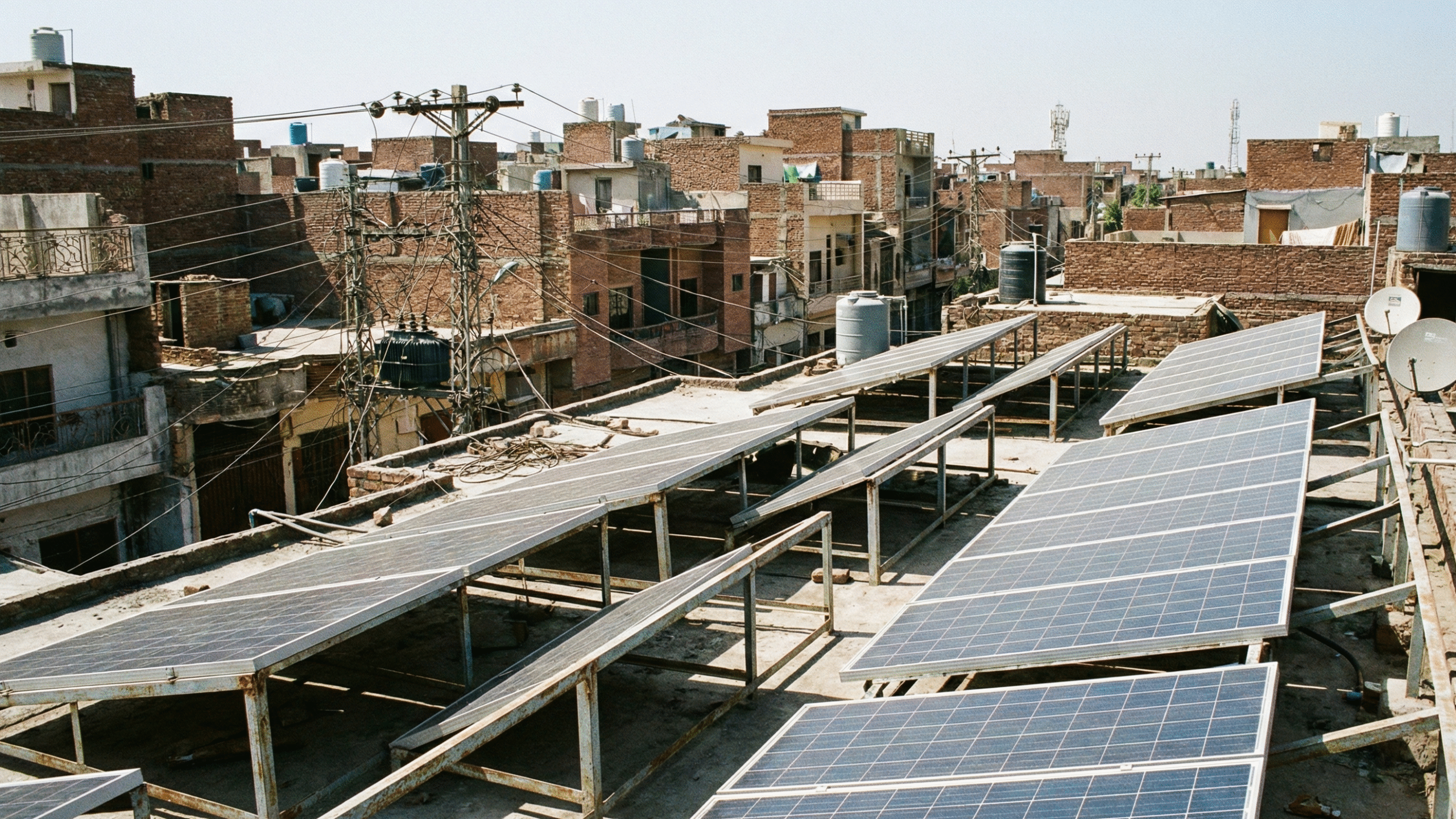
Installing solar panels in Pakistan is becoming a necessity because electricity prices continue to rise and WAPDA rates are unmanageable. On top of that, load shedding is still a daily problem in many cities and villages. Because of this, more homeowners are now shifting toward solar energy as a long-term solution.
If you are planning to install a solar system in 2025, it’s important to understand a few basic things so you don’t waste your money. This guide will help you understand the five most important things you must know before installing solar panels in Pakistan.
1. Calculate Your Load Correctly
Before buying a solar system, the first step is to calculate how much electricity your home actually uses. Many people guess their load and end up buying the wrong system.
A 3kW system is suitable for small homes. It can run:
- 6–8 fans
- 8–10 lights
- 1 fridge
- LED TVs
- Small appliances (chargers, router)
A 5kW system is ideal for medium homes. It can run:
- 1 inverter AC (in daylight)
- 8–12 fans
- 2 fridges
- Lights and basic appliances
A 10kW system is best for large homes. It can run:
- 2 inverter ACs
- Fridges, freezers
- Water pump
- Full home load throughout the day
Many homeowners forget to include heavy appliances like water pumps, irons, washing machines, or ACs. These need a bigger inverter and panel capacity. Always ask the installer for a proper load calculation based on your appliances and daily usage.
2. On-Grid vs Hybrid Systems – Which One Is Better?
Pakistan has two main types of solar systems: On-Grid and Hybrid.
On-Grid Solar System
An on-grid system works with WAPDA and does not use batteries. It is perfect for areas with little to no load shedding such as DHA, Bahria Town, Cantt areas, and many large cities.
Advantages:
- Cheapest option
- Best for net metering
- High efficiency
Disadvantages:
- Shuts down during load shedding
- No backup without UPS or generator
Hybrid Solar System
A hybrid system works with WAPDA + solar + batteries. It is ideal for areas with heavy load shedding.
Advantages:
- Provides backup during load shedding
- Can charge batteries using solar
Disadvantages:
- More expensive
- Batteries need replacement every 3–5 years
If you live in an area with long load shedding, choose hybrid. If your area has stable electricity, on-grid is the best and cheapest option.
3. Importance of Tier-1 Solar Panels
When looking for the best solar panels in Pakistan, it is important to choose Tier 1 brands to ensure long-term efficiency. In Pakistan, the market is full of different panel qualities. You will find A-grade, B-grade, used, repaired, and even fake panels. To avoid losses, always choose Tier-1 brands.
The best Tier-1 solar panel brands in Pakistan include:
- Longi Solar
- Jinko Solar
- Canadian Solar
- JA Solar
These brands offer:
- High efficiency
- Long lifespan (25–30 years)
- Excellent performance in Pakistan’s hot weather
- Long warranties
B-grade or used panels may look cheaper, but they lose efficiency very fast. Many homeowners who choose B-grade panels end up replacing them within 1–2 years, which becomes more expensive in the long run.
Always ask for:
- Warranty card
- Serial number
- Original packaging
This ensures you are getting genuine Tier-1 panels.
4. Net Metering (The Green Meter)
Net metering is one of the biggest reasons people install solar systems in Pakistan. With a net metering meter, you can send extra electricity back to the grid and reduce your bill to zero.
Here’s how it works:
- Your solar system produces electricity in the day.
- Whatever you don’t use is sent to WAPDA.
- WAPDA subtracts exported units from the imported units.
- Your bill becomes very low or even zero.
As of 2025, the process is managed under NEPRA net metering rules. Almost all good installers provide net metering services.
Important points:
- Minimum system size for net metering approval is 3kW.
- You must use an on-grid or hybrid inverter.
- The approval process usually takes 2–6 weeks depending on the area.
Net metering is the best way to save money on electricity bills and recover your investment faster. Installing a net meter helps you get the maximum benefit from your solar panels in Pakistan.
5. Cost Estimation of Solar Panels in Pakistan (2025)
Solar prices in Pakistan change due to dollar rates, duties, and brand options. But a general idea for 2025 prices is:
Approximate Solar Prices in Pakistan (2025)
A 5kW solar system (on-grid):
- Price Range: PKR 650,000 – PKR 800,000
- Includes: Panels, inverter, structure, wiring, installation
A 5kW hybrid system:
- Price Range: PKR 900,000 – PKR 1,200,000 (depends on battery type)
Return on Investment (ROI)
Most homeowners recover their investment in 3–4 years, especially with net metering.
Example:
- Average household electricity bill: PKR 25,000 – 35,000/month
- Annual savings: 300,000+
- Investment recovered in 36–40 months
Because electricity rates continue to rise every year, the ROI becomes even faster.
System Size vs Appliances It Can Run
| System Size | Appliances It Can Run |
|---|---|
| 3kW | Fans, lights, fridge, TV, small load |
| 5kW | 1 inverter AC (daytime), fans, lights, fridge, freezer |
| 10kW | 2 inverter ACs, fridges, freezer, water pump, complete house load |
Conclusion
Solar energy is no longer a luxury in Pakistan, it is a necessity. With high electricity bills, load shedding, and increasing inflation, switching to solar is one of the smartest financial decisions a homeowner can make. By understanding the five critical points in this guide, you can invest confidently and avoid common mistakes.
With rising energy costs, the demand for high-quality solar panels in Pakistan is increasing every day. If you plan properly, choose Tier-1 panels, and install a net metering system, you will enjoy free electricity for the next 25+ years. The market for solar panels in Pakistan is growing rapidly, so make your decision wisely.
FAQs
1. Does solar work in winter?
Yes, solar panels work in winter. Production is slightly lower due to shorter daylight hours, but panels still generate enough power for daily use.
2. What is the average life of solar panels?
Good Tier-1 panels last 25 to 30 years with proper maintenance.
3. Can solar run an AC?
Yes. A 5kW or 10kW system can easily run inverter ACs during the day.
4. Do solar panels need cleaning?
Yes. Cleaning every 15–30 days helps improve power generation, especially in dusty areas.
If you have more questions or need personal guidance, feel free to visit our Contact Us page.